
Feeling your heart suddenly race, skip a beat, or flutter in your chest can be scary. Most people experience heart palpitations at some point in their lives, and many of these episodes are harmless. However, when palpitations are frequent, long-lasting, or associated with symptoms like dizziness or breathlessness, they may signal a deeper issue, possibly an arrhythmia.
As an experienced Cardiologist in Ahmedabad, Dr. Jignesh Patel often explains to patients that the key is knowing the difference between normal palpitations and those that require medical attention. This blog will help you understand what arrhythmias and palpitations really mean, why they happen, and when you should consult an expert.
What Are Arrhythmias and Why Do Heart Palpitations Happen?
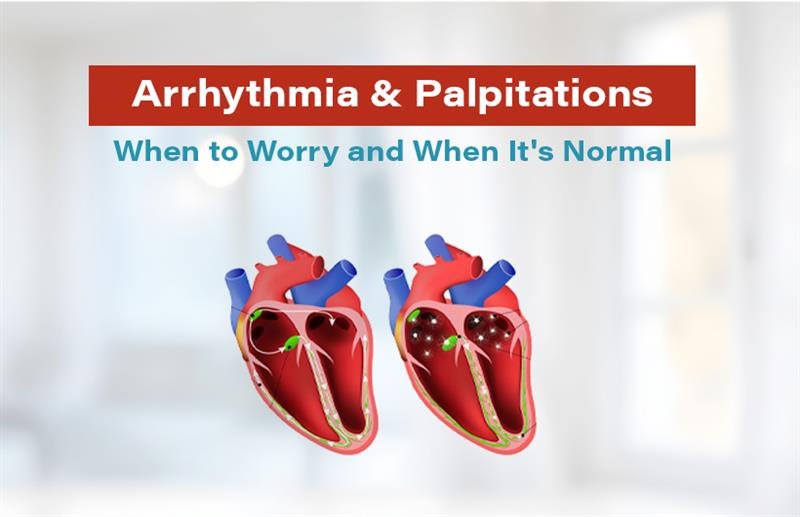
Heart arrhythmias and palpitations are related but not the same. A palpitation is a feeling like your heart is beating too fast, too slow, or irregularly. An arrhythmia is the actual irregular rhythm of the heartbeat seen on an ECG.
Understanding Arrhythmias
An arrhythmia occurs when the electrical signals that control your heartbeat don’t work properly. This may cause your heart to:
- Beat too fast (tachycardia)
- Beat too slow (bradycardia)
- Beat irregularly (atrial fibrillation or premature beats)
Many arrhythmias are mild and harmless, but some can affect the heart’s ability to pump blood effectively.
Causes of Arrhythmias and Palpitations
There are many reasons your heart may behave unusually:
- Stress and anxiety
- Caffeine intake
- Alcohol or smoking
- Dehydration
- Lack of sleep
- Thyroid problems
- Heart disease
- Electrolyte imbalance
- Certain medications
Sometimes, palpitations happen with no clear cause. But if they become routine, getting checked by an ECG specialist in Ahmedabad is important to rule out underlying issues.
Are Heart Palpitations Normal or Should You Be Worried?
Many patients often wonder about this. The truth is: not all palpitations are dangerous.
When Palpitations Are Usually Normal
Palpitations are often harmless if:
- They happen occasionally
- They last for a few seconds
- They occur during anxiety, fear, or after caffeine
- They resolve on their own with rest or relaxation
- They do not come with other symptoms
Many individuals feel palpitations during exercise, emotional stress, or even while lying down quietly. These are usually related to temporary changes in the body and are not a warning sign.
When Palpitations May Be a Sign of Arrhythmia
You should be more cautious when palpitations occur:
- Frequently or daily
- Last longer than a few minutes
- Come with chest pain
- Are accompanied by dizziness or fainting
- Cause shortness of breath
- Happens during exercise
- Occur with swelling of the legs
- Getting worse over time
These signs may indicate a more serious form of arrhythmia that requires proper evaluation and possibly irregular heartbeat treatment.
If you notice these symptoms, it’s best to consult a cardiologist near you for a timely diagnosis.
How Are Arrhythmias Diagnosed?
To understand whether your palpitations are harmless or require treatment, doctors use different diagnostic tools. The most common and essential one is an Electrocardiogram (ECG).
ECG Test
An ECG captures how your heart’s electrical signals are working. It shows whether the rhythm is normal, too fast, too slow, or irregular.
Visiting an experienced ECG specialist in Ahmedabad ensures accurate testing and interpretation.
Other tests may include:
- Holter monitor (24–48 hours heart rhythm recording)
- Stress test
- Blood tests (to check thyroid, electrolytes, etc.)
- Echocardiography
These tests help identify the cause and type of arrhythmia for effective treatment.
What Are the Treatment Options for Irregular Heartbeats?
The treatment depends on the type of arrhythmia and its severity.
1. Lifestyle Changes
For many people, simple lifestyle modifications reduce palpitations:
- Cutting down on caffeine and alcohol
- Managing stress
- Getting enough sleep
- Staying hydrated
- Avoiding smoking
- Eating a heart-healthy diet
2. Medications
Doctors may prescribe medicines to:
- Slow down fast heartbeats
- Correct irregular rhythms
- Reduce the risk of complications
These medications must be taken under strict guidance from a Cardiologist in Ahmedabad, like Dr. Jignesh Patel, who ensures safe and effective treatment.
3. Medical Procedures
Some arrhythmias may require advanced treatment, such as:
- Catheter ablation – destroys tiny areas causing abnormal signals
- Pacemaker – helps regulate slow heartbeats
- Implantable cardioverter-defibrillator (ICD) – prevents life-threatening rhythms
4. Emergency Treatment
If arrhythmia leads to fainting, severe breathlessness, or chest pain, immediate medical care is required.
How Can You Reduce Palpitations Naturally?
Along with medical treatment, certain habits can reduce palpitations:
- Practice deep breathing exercises
- Reduce stress with yoga or meditation
- Avoid energy drinks
- Maintain good posture to allow smooth blood flow
- Do light-to-moderate physical activity
- Avoid heavy meals late at night
However, self-care is not a substitute for medical evaluation when symptoms persist.
Should You Visit a Doctor for Your Palpitations?
Yes, if:
- Palpitations are becoming frequent
- You feel discomfort or chest pressure
- You have a history of heart disease
- You are over 40 and newly experiencing an irregular heartbeat
- Your symptoms interfere with daily life
Early diagnosis leads to easier treatment and prevents complications.
As a trusted Cardiologist in Ahmedabad, Dr. Jignesh Patel emphasises that ignoring persistent palpitations may allow serious arrhythmia to progress silently.
What Will the Doctor Check During a Visit?
During a consultation, the cardiologist will:
- Ask about your symptoms
- Check your pulse and blood pressure
- Recommend an ECG or other tests
- Suggest lifestyle changes
- Develop a treatment plan if needed
The goal is to keep your heart functioning normally and protect you from future complications.
When Can Palpitations Be Dangerous?
Palpitations may be dangerous if linked to:
- Atrial fibrillation
- Ventricular tachycardia
- Heart failure
- Coronary artery disease
- Structural heart defects
- Thyroid disorders
If left untreated, some of these conditions can increase the risk of stroke or cardiac arrest.
Final Thoughts
Arrhythmia & palpitations can feel frightening, but not all of them are signs of danger. Understanding your symptoms and seeking timely medical care can help you stay safe and worry-free.
If you experience frequent palpitations or suspect an irregular heartbeat, consulting a cardiologist near you is the best step. With proper diagnosis and treatment, most arrhythmias can be well-managed.
Dr. Jignesh Patel, a highly experienced Cardiologist in Ahmedabad, provides advanced and reliable care for patients dealing with heart arrhythmias and palpitations. With expert guidance and the right treatment, you can maintain a healthy and steady heartbeat.