
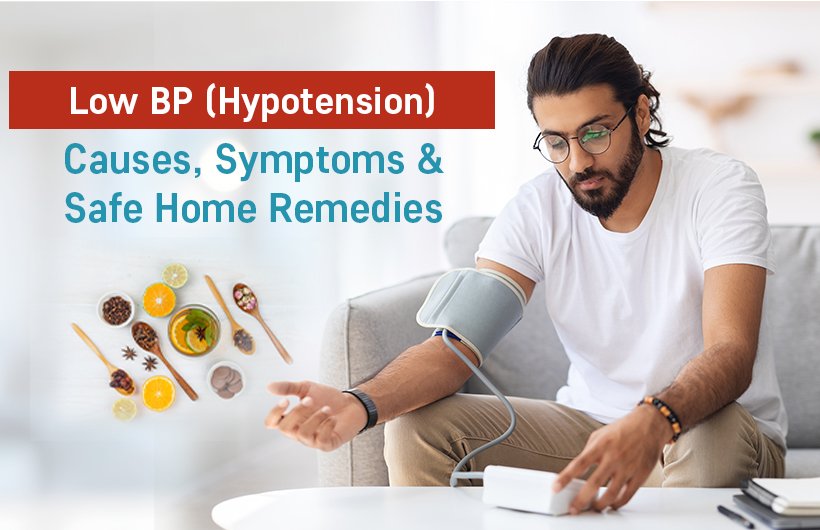
Low blood pressure, also known as hypotension, occurs when the blood pressure in your arteries falls below normal. While most people talk about high BP, low BP can also cause serious discomfort and may affect your daily life. Many patients in Ahmedabad experience weakness, dizziness, or fainting episodes due to low BP, but often ignore the symptoms. Understanding hypotension causes, symptoms, and simple home remedies can help you manage this condition safely.
A trusted Cardiologist in Ahmedabad, Dr. Jignesh Patel, often sees patients who confuse tiredness or light-headedness with routine stress. However, timely treatment and lifestyle changes can prevent complications and improve overall heart health.
What Are the Main Causes of Hypotension?
Hypotension happens when your blood pressure drops below the ideal range of 120/80 mmHg. A reading less than 90/60 mmHg is usually considered low. But what leads to this drop? Several factors can contribute:
1. Dehydration
Not drinking enough water can reduce blood volume, causing low BP. This is common during the summer months in Ahmedabad.
2. Nutritional Deficiencies
A lack of essential nutrients such as Vitamin B12, folic acid, and iron may reduce red blood cell production and lead to hypotension.
3. Heart Problems
Heart issues such as slow heartbeat (bradycardia), weakened heart muscles, or heart valve disease can result in low BP. Consulting a Cardiac Specialist Doctor near you becomes essential if symptoms appear frequently.
4. Endocrine Disorders
Thyroid problems, adrenal gland issues, or low blood sugar levels may also trigger hypotension.
5. Pregnancy
Blood pressure naturally drops during the early stages of pregnancy because of hormonal changes.
6. Certain Medications
Medicines for depression, heart conditions, or high BP can sometimes lower blood pressure too much.
7. Sudden Position Changes
Standing up quickly after sitting or sleeping may cause a temporary drop in BP, known as orthostatic hypotension.
Knowing the hypotension causes helps in identifying triggers and planning the right treatment approach.
What Symptoms Tell You That Your BP Is Low?
Low BP shows up differently in every person, but the most common symptoms include:
1. Dizziness or Light-headedness
A sudden drop in BP reduces blood flow to the brain, causing a spinning sensation.
2. Blurred Vision
Inadequate blood circulation can make your vision unclear for a few seconds.
3. Fatigue
Constant tiredness is one of the leading signs of low BP.
4. Fainting (Syncope)
In severe cases, a person may completely lose consciousness.
5. Cold and Clammy Skin
Your body tries to maintain blood flow to important organs, making your skin feel cold.
6. Fast or Weak Pulse
The heart beats faster to compensate for low blood pressure.
If these symptoms occur repeatedly, seeking low BP treatment in Ahmedabad is important to prevent complications.
What Is the Safest Home Treatment for Low BP?
Many patients want to know: “What can I do at home to improve low BP?” While home remedies help manage mild cases, professional evaluation ensures safety. Here are effective and safe remedies:
1. Increase Fluid Intake
Drink water frequently throughout the day. ORS (oral rehydration solution) is also helpful if dehydration is the cause.
2. Add a Little Salt
Salt helps increase blood pressure, but only in recommended limits. Patients with heart disease should consult a specialist before increasing salt intake.
3. Eat Small, Frequent Meals
Large meals may cause blood pressure to drop suddenly. Eating 4–5 small meals keeps BP stable.
4. Include B12, Folate, and Iron-Rich Foods
Add eggs, spinach, legumes, nuts, milk, and whole grains to your diet to improve nutrient levels that support healthy BP.
5. Wear Compression Stockings
These stockings help improve blood flow, especially if you have varicose veins or orthostatic hypotension.
6. Avoid Sudden Movements
Get up slowly from sitting or lying positions to prevent dizziness.
7. Have Caffeine in Moderation
Tea or coffee can temporarily increase BP, but should not be over-consumed.
8. Manage Stress
Deep breathing exercises, yoga, meditation, and adequate sleep maintain healthy blood circulation.
These remedies are helpful, but if your BP stays low or symptoms worsen, a medical assessment is important.
When Should You Consult a Cardiologist for Low BP?
People often ask: “Is low BP serious?”
Yes, if left untreated, it may reduce blood flow to vital organs like the heart and brain.
You should consult a doctor if you experience:
- Frequent fainting or blackouts
- Constant dizziness
- Chest discomfort
- Irregular heartbeat
- Shortness of breath
- Extreme fatigue
Visiting an expert for a Hypotension specialist in Ahmedabad ensures that the underlying cause is diagnosed correctly. Sometimes, low BP may be a sign of an underlying heart condition. That is why specialist guidance is essential.
Dr. Jignesh Patel, an experienced and trusted Cardiologist in Ahmedabad, helps patients identify patterns, correct deficiencies, adjust medications, and plan a personalised treatment approach for long-term stability.
How Is Low BP Treated by Specialists?
Doctors focus on both the symptoms and the root cause. Depending on your condition, treatments may include:
1. Lifestyle Changes
Better hydration, nutritious meals, and controlled salt intake.
2. Medication Adjustments
If a medicine is causing low BP, the dosage may be changed.
3. Treating Underlying Problems
Thyroid issues, heart conditions, or anaemia need targeted treatment.
4. Regular Monitoring
Tracking BP at home helps understand how your body responds to treatment.
With accurate diagnosis and proper follow-up, most people manage hypotension easily.
Conclusion
Low BP might seem harmless, but persistent hypotension can affect your daily life and overall heart health. Understanding the causes, early symptoms, and safe remedies can help you take timely action. If your symptoms continue, consulting a specialist ensures long-term safety.
For reliable heart care and effective low BP treatment in Ahmedabad, consulting an expert like Dr. Jignesh Patel can make a significant difference in managing your condition with confidence and comfort.