
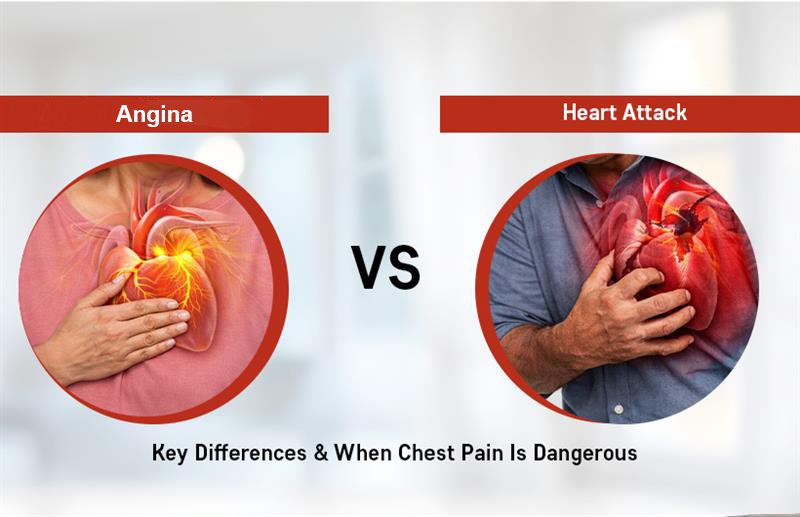
Chest pain is one of the most common reasons people feel anxious and rush to the hospital. For some, it may be simple acidity or muscle strain, while for others it can be a warning sign of a serious heart problem. Two heart-related conditions often confused with each other are angina and a heart attack. Understanding the difference between Angina vs Heart Attack can help you know when chest pain is dangerous and when you should seek urgent medical care.
In this blog, Dr. Jignesh Patel, a trusted cardiologist in Ahmedabad, explains these conditions in simple language so patients can make informed decisions about their heart health.
What Is Angina and How Does It Lead to Chest Discomfort?
Angina is a type of chest pain that occurs when the heart muscle does not get enough oxygen-rich blood. It is usually caused by narrowed or partially blocked coronary arteries. Angina itself is not a heart attack, but it is a warning sign that your heart is under stress.
People with angina often describe the pain as:
- Tightness or pressure in the chest
- A squeezing or burning sensation
- Discomfort that moves from the chest to the left arm, shoulder, neck, jaw, or back
A common reason for chest pain is angina physical exertion, emotional stress, climbing stairs, or even heavy meals. The pain usually lasts for a few minutes and improves with rest or prescribed medication.
There are two main types of angina:
- Stable angina: Occurs in a predictable pattern, such as during exercise, and goes away with rest.
- Unstable angina: More serious, occurs suddenly or at rest, lasts longer, and may not improve with rest. This can be a warning sign of an upcoming heart attack.
If you experience repeated chest discomfort, it is important to consult a chest pain specialist in Ahmedabad to evaluate the cause early.
What Is a Heart Attack and How Is It Different from Angina?
A heart attack, also known as a myocardial infarction, occurs when blood flow to a part of the heart is completely blocked. This blockage is usually caused by a blood clot forming over a ruptured plaque in the coronary artery. Unlike angina, a heart attack causes permanent damage to the heart muscle if not treated quickly.
Common symptoms of a heart attack include:
- Severe or persistent chest pain lasting more than 15–20 minutes
- Crushing or heavy pressure in the chest
- Pain spreading to the arms, jaw, back, or stomach
- Shortness of breath
- Cold sweats, nausea, or dizziness
The key difference between Angina vs Heart Attack is that angina is temporary and reversible, while a heart attack is a medical emergency requiring immediate treatment. Chest pain during a heart attack does not improve with rest and may gradually worsen.
According to Dr. Jignesh Patel, ignoring warning signs or delaying treatment can increase the risk of serious complications such as heart failure or life-threatening rhythm problems.
Angina vs Heart Attack: How to Identify Dangerous Chest Pain?
It is not always easy to tell the difference between angina and a heart attack, especially at home. However, some signs suggest that chest pain may be dangerous and needs urgent medical attention.
You should seek immediate help if:
- Chest pain is sudden, severe, or lasts more than a few minutes
- Pain occurs at rest or wakes you from sleep
- Chest pain is associated with breathlessness, sweating, or fainting
- You have risk factors such as diabetes, high blood pressure, smoking, or a family history of heart disease
Many people search online for a “chest pain doctor near you” when symptoms appear, but heart-related chest pain should never be ignored or self-treated. Early diagnosis can save lives.
If you experience mild but recurring chest discomfort, consulting a cardiologist in Ahmedabad can help determine whether the cause is angina, a heart attack risk, or another condition.
When Should You Consult a Cardiologist for Chest Pain?
Chest pain can have many causes, including acidity, lung problems, muscle strain, or anxiety. However, heart-related chest pain often feels different and may come with other symptoms. It is always safer to rule out heart disease first.
You should consult a cardiologist if:
- Chest pain occurs during physical activity or stress
- Pain improves with rest but keeps returning
- You feel pressure or tightness rather than sharp pain
- You have known heart disease or risk factors
Dr. Jignesh Patel, an experienced cardiologist in Ahmedabad, focuses on identifying the root cause of chest pain through detailed evaluation, ECG, stress tests, and other cardiac investigations. Early treatment of angina can prevent a future heart attack.
How Are Angina and Heart Attack Treated?
Treatment depends on the diagnosis and severity of the condition.
Angina treatment may include:
- Lifestyle changes such as diet control, exercise, and quitting smoking
- Medicines to improve blood flow and reduce heart strain
- Managing risk factors like cholesterol, blood pressure, and diabetes
Heart attack treatment is an emergency and may involve:
- Immediate medicines to dissolve clots
- Angioplasty or stent placement to restore blood flow
- Long-term medications and cardiac rehabilitation
Timely care from a chest pain specialist in Ahmedabad ensures better recovery and long-term heart health.
Final Thoughts
Understanding the difference between Angina vs Heart Attack is crucial for recognising when chest pain is dangerous. While angina serves as a warning sign, a heart attack is a life-threatening emergency. Never ignore chest discomfort, especially if it is new, severe, or associated with other symptoms.
If you or your loved ones experience chest pain, consult Dr Jignesh Patel promptly. Early evaluation by a trusted cardiologist can prevent complications and protect your heart for the future.