
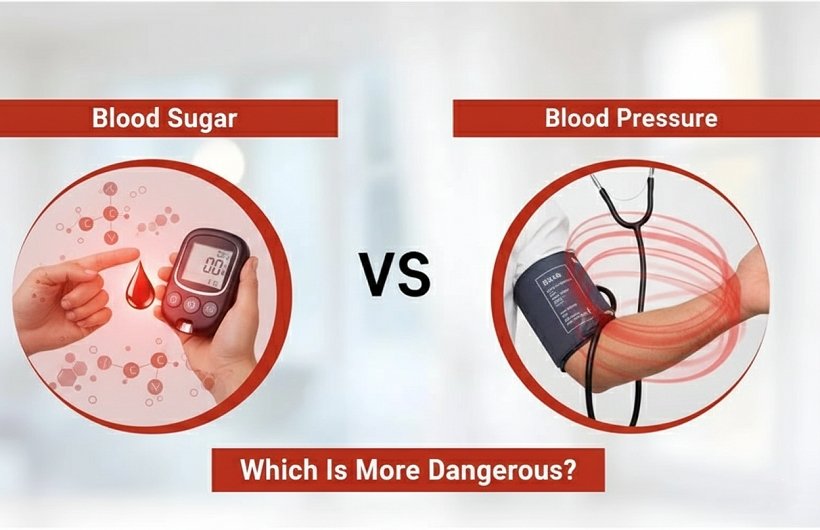
When it comes to understanding your health, blood sugar vs blood pressure is a very common concern for many people, especially those dealing with diabetes and hypertension. Both conditions affect millions worldwide and can have serious consequences if left unmanaged. But which one is more dangerous? In simple terms, both are harmful, and their impact depends on how well they are controlled. Let’s break this down in easy language so you can understand what these conditions mean, how they affect your body, and why regular checks matter, especially if you’re looking for the best cardiologist in Ahmedabad.
What Is Blood Sugar and What Is Blood Pressure?
Blood Sugar
Blood sugar (glucose) is the sugar in your bloodstream that comes from the food you eat. It is your body’s main energy source. When you have diabetes, your body either doesn’t make enough insulin or can’t use it properly, causing sugar to build up in your blood.
Blood Pressure
Blood pressure is the force of your blood pushing against the walls of your arteries as your heart pumps. It is measured in two numbers: systolic (pressure when the heart beats) and diastolic (pressure when the heart rests). When that force stays too high over time, it’s called hypertension. This can harm your heart and blood vessels.
Which Is More Dangerous High Blood Sugar or High Blood Pressure?
The short answer: neither one is “more dangerous” on its own; both can cause serious health problems if uncontrolled. In fact, it’s not uncommon for one to make the other worse.
The Hidden Threat of Silent Damage
- High blood pressure is often called a “silent killer” because it usually has no warning signs, even though it increases the risk of heart attack, stroke, and kidney disease.
- High blood sugar can quietly damage blood vessels, nerves, and organs over time, leading to complications like kidney disease, vision loss, and heart disease.
So, rather than asking which is worse, doctors often say that both conditions are dangerous if left untreated. They quietly damage your body over the years.
Understanding the Link Between Blood Sugar and Blood Pressure
Here’s an important fact: these conditions are often connected.
How High Blood Sugar Affects Blood Pressure
If blood sugar stays high, it can damage blood vessels and the kidneys, two major contributors to healthy blood pressure. When blood vessels become narrow and stiff, your blood pressure can go up. This is why people with diabetes often develop hypertension.
How High Blood Pressure Affects Blood Sugar
High blood pressure can also increase your risk of developing insulin resistance, which is a major cause of Type 2 diabetes. Research shows that individuals with high blood pressure are more likely to develop diabetes over time.
According to health data, about two-thirds of adults with diabetes also have high blood pressure or are taking medication to control it.
Diabetes + Hypertension: A Dangerous Combination
If a person has both diabetes and high blood pressure, the risk of serious health problems increases significantly:
Increased Risks Include:
- Heart disease and heart attacks
- Stroke
- Kidney damage and kidney failure
- Vision problems due to eye vessel damage
Studies show that having both conditions can increase the risk of heart disease fourfold compared to people without either condition.
So, instead of comparing blood sugar vs blood pressure, it’s more accurate to understand how they work together to harm your body if uncontrolled.
Signs and Symptoms: What to Watch For
One tricky thing about both conditions is that you may not feel sick until serious damage has occurred.
Symptoms of High Blood Sugar
- Frequent urination
- Increased thirst
- Fatigue
- Blurred vision
Symptoms of High Blood Pressure
Often none, but you might experience:
- Headache
- Dizziness
- Nosebleeds (in severe cases)
Because symptoms aren’t always obvious, regular medical checks are essential, especially for people over age 30 or with a family history of diabetes or heart disease.
Lifestyle Habits That Help Both Conditions
The good news is that many of the same lifestyle changes help control both blood sugar and blood pressure:
Healthy Diet
- Cut down on salt and added sugar
- Eat more fruits, vegetables, and whole grains
- Choose lean proteins and healthy fats
Regular Exercise
- Aim for at least 30 minutes of moderate activity most days
Healthy Weight
- Burning excess calories and maintaining a healthy weight helps reduce both blood pressure and blood sugar.
Quit Smoking and Reduce Alcohol
- Smoking and excessive alcohol use raise blood pressure and worsen insulin resistance.
Regular Monitoring
- Home monitoring and regular check-ups with your doctor help you catch issues early.
Dr. Jignesh Patel, a distinguished cardiologist in Ahmedabad, often emphasises these lifestyle changes to his patients because they have the most impact in preventing long-term complications.
When Should You See a Doctor?
You should see a healthcare professional, ideally a cardiologist or endocrinologist, if:
- You have a family history of diabetes or hypertension
- You notice symptoms like fatigue, thirst, or headaches
- Your blood pressure readings are consistently above normal
- Your blood sugar readings are high
Finding a cardiology hospital near you means you can get comprehensive care for both conditions.
Dr. Jignesh Patel advises patients that early detection and management make a huge difference in long-term outcomes. Controlling both blood sugar and blood pressure can prevent many serious complications and improve quality of life.
Final Thoughts
So, blood sugar vs blood pressure, which matters more?
The truth is: both are serious. One shouldn’t be ignored in favour of the other. They’re often connected and have overlapping risks. Managing both well is far more important than worrying about which one is “worse.”
If you have concerns about diabetes, hypertension, or heart disease, talk to a trusted healthcare provider. Whether you need guidance on diet, treatment plans, or medication, expert care from a cardiologist in Ahmedabad at a reputable cardiology hospital can help you stay healthy and live well.
Dr. Jignesh Patel underscores that prevention, regular monitoring, and lifestyle changes are your best tools in the fight against both high blood sugar and high blood pressure.
Stay informed, stay proactive, and take control of your health!