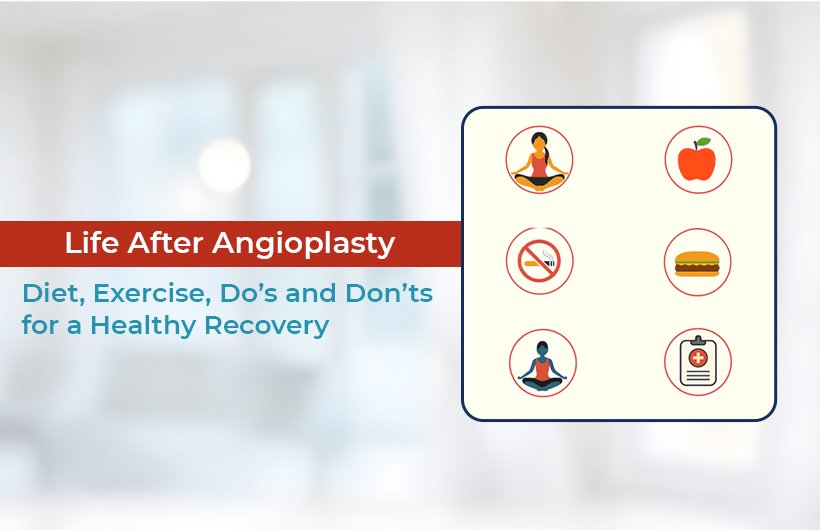
Recovering after angioplasty is not just about the procedure—it’s about how well you care for your heart afterward. Life after angioplasty requires important lifestyle changes, including maintaining a healthy diet, staying physically active, and avoiding harmful habits. These steps are essential to prevent future blockages and support long-term heart health.
Life after angioplasty focuses on building a heart-healthy routine. This includes following a low-fat, low-salt diet, engaging in light exercises like walking, avoiding smoking and alcohol, and taking medications as prescribed. Gradually increasing activity levels and attending regular follow-ups are equally important. By following proper recovery tips and guidance from a trusted cardiologist in Ahmedabad, you can reduce complications and improve your overall heart health.
What Should You Eat After Angioplasty? (Diet and Recovery Tips)
Diet plays a crucial role in recovery and long-term heart health after Carotid Angioplasty. Following the procedure, your body needs balanced and nutritious food to support healing, improve circulation, and reduce the risk of future cardiovascular issues.
Recommended Foods for Faster Recovery
A heart-friendly diet includes:
- Fruits and vegetables: Rich in fibre and antioxidants
- Whole grains: Oats, brown rice, whole wheat
- Lean proteins: Fish, chicken, lentils
- Healthy fats: Nuts, seeds, olive oil
- Low-fat dairy products
These foods help reduce cholesterol, control blood pressure, and improve heart function.
Foods to Avoid After Angioplasty
To ensure smooth recovery, avoid:
- Fried and processed foods
- High-salt (sodium) foods
- Sugary snacks and beverages
- Red meat and trans fats
Too much salt can raise blood pressure, while unhealthy fats increase the risk of artery blockage again.
Eating Habits to Follow
- Eat small, frequent meals if appetite is low
- Stay well-hydrated
- Avoid overeating
- Maintain a healthy weight
According to experts, a balanced diet supports healing and reduces the chances of future heart complications.
For personalised diet guidance, consulting an experienced cardiologist like Dr. Jignesh Patel can help you follow the right nutrition plan based on your condition.
Which Exercises Are Safe After Angioplasty?
Exercise is one of the most important parts of life after angioplasty. It strengthens the heart, improves circulation, and helps maintain a healthy weight.
Best Exercises After Angioplasty
Start slowly and increase gradually. Safe options include:
- Walking: Begin with 5–10 minutes and increase to 30 minutes daily
- Stretching exercises: Improve flexibility and reduce stiffness
- Low-impact activities: Cycling, swimming, light aerobics
- Breathing exercises: Help reduce stress and improve oxygen flow
Walking is usually the first and safest step in recovery.
Exercise Guidelines
- Start with light activity and increase gradually
- Warm up and cool down before and after exercise
- Monitor your heart rate
- Stop if you feel chest pain, dizziness, or breathlessness
Regular physical activity improves blood circulation and heart efficiency while reducing stress levels.
Exercises to Avoid Initially
- Heavy weightlifting
- High-intensity workouts (HIIT)
- Strenuous sports
- Any activity that causes discomfort
Avoid intense workouts for at least 4–6 weeks unless your doctor allows it.
Patients are often advised to join a cardiac rehabilitation program for safe and guided recovery. Consulting Dr. Jignesh Patel ensures you follow a customised exercise plan suited to your recovery stage.
What Are the Do’s and Don’ts After Angioplasty?
Following the right precautions is essential for a smooth and safe recovery.
Do’s After Angioplasty
- Take all prescribed medications regularly
- Attend follow-up appointments
- Maintain a healthy diet
- Stay physically active (as advised)
- Manage stress through yoga or meditation
- Monitor symptoms like chest pain or breathlessness
Gradual return to daily activities helps your body heal properly.
Don’ts After Angioplasty
- Do not smoke (major risk factor for heart disease)
- Avoid alcohol or limit intake
- Do not skip medications
- Avoid heavy lifting or strenuous activity early on
- Do not ignore warning signs like chest pain
Lifestyle habits like smoking and a poor diet can increase the risk of another blockage.
When Should You See a Doctor After Angioplasty?
While recovery is usually smooth, certain symptoms need immediate medical attention:
- Chest pain like previous symptoms
- Severe shortness of breath
- Dizziness or fainting
- Swelling or bleeding at the catheter site
- Irregular heartbeat
Early medical intervention can prevent complications and ensure better outcomes.
Regular check-ups with a cardiologist near you are essential for monitoring your heart health and progress in recovery.
Long-Term Lifestyle Changes for Heart Health
Life after angioplasty is about long-term commitment to heart health. Simple changes can make a big difference:
Healthy Habits to Follow
- Maintain a balanced diet
- Exercise regularly (at least 30 minutes most days)
- Keep blood pressure and cholesterol under control
- Manage diabetes if present
- Maintain a healthy weight
A combination of diet and exercise helps reduce the risk of future heart disease and improves quality of life.
Stress Management
Stress can negatively affect heart health. Practice:
- Meditation
- Deep breathing
- Yoga
- Adequate sleep
These techniques help maintain emotional and physical well-being.
Conclusion
Angioplasty marks the start of a healthier chapter one where mindful choices make all the difference. By embracing essential recovery habits like balanced nutrition, regular physical activity, and eliminating unhealthy behaviours, you can regain strength and enjoy an active, fulfilling life. Even small, consistent lifestyle improvements can significantly reduce the risk of future heart complications and enhance your overall well-being.
If you or a loved one has undergone this procedure, staying committed to medical guidance and heart-healthy routines is key. Seeking support from a trusted heart specialist in Ahmedabad, such as Dr. Jignesh Patel at Aarogya Heart Care, ensures you receive expert care and personalized advice—helping you protect your heart and maintain long-term health with confidence.