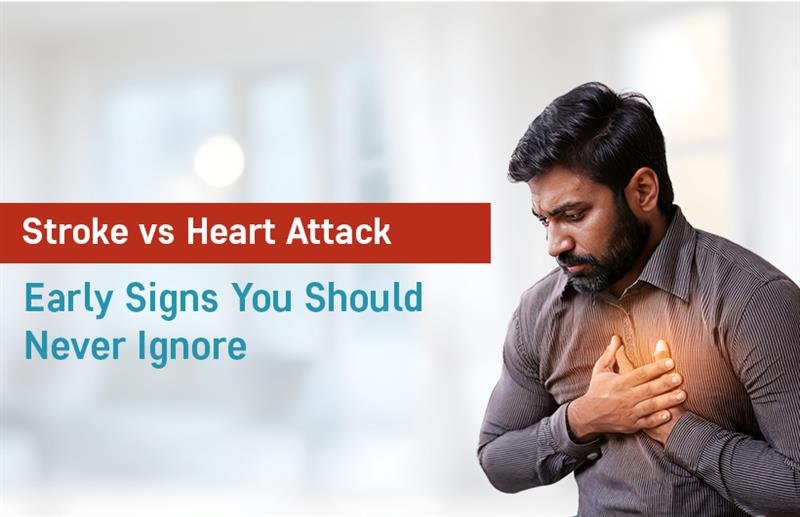
Heart attack and stroke are two of the most common medical emergencies worldwide. Many people confuse the two conditions, which can delay treatment and increase the risk of serious complications or death. Understanding the difference between a stroke and a heart attack, recognising early warning signs, and knowing when to seek immediate help can save lives.
Dr. Jignesh Patel, a trusted cardiologist in Ahmedabad, explains the key differences, symptoms, causes, and prevention strategies you should never ignore.
Stroke vs Heart Attack: What’s the Difference?
A stroke occurs when blood flow to the brain is interrupted, causing brain cell damage, while a heart attack happens when blood flow to the heart muscle is blocked, leading to heart tissue damage. Both are medical emergencies, but they affect different organs and show different symptoms.
What Is a Stroke?
A stroke occurs when the brain does not receive enough oxygen-rich blood. Brain cells begin to die within minutes, which can cause permanent disability or death if not treated quickly.
How a Stroke Occurs in the Brain
The brain depends on a continuous blood supply. Any blockage or rupture in blood vessels supplying the brain can trigger a stroke, affecting movement, speech, vision, or memory.
Types of Stroke
1. Ischemic Stroke
This is the most common type of brain stroke and occurs due to a blood clot blocking an artery supplying the brain.
2. Hemorrhagic Stroke
This occurs when a blood vessel ruptures and causes bleeding in or around the brain.
3. TIA (Mini-Stroke)
A Transient Ischemic Attack causes temporary stroke-like symptoms and is a serious warning sign of a future major stroke.
Semantic keywords: brain stroke, types of stroke
What Is a Heart Attack?
A heart attack, also known as a myocardial infarction, happens when blood flow to a part of the heart muscle is suddenly blocked.
How a Heart Attack Occurs
Most heart attacks occur due to fatty plaque buildup in the coronary arteries. When a plaque ruptures, a blood clot forms and blocks blood flow to the heart.
Role of Blocked Coronary Arteries
Blocked arteries deprive the heart muscle of oxygen, leading to tissue damage or death.
Difference Between Cardiac Arrest and Heart Attack
A heart attack is a circulation problem, while cardiac arrest is an electrical problem where the heart suddenly stops beating.
Semantic keywords: heart attack causes, myocardial infarction
Early Warning Signs of Stroke (Never Ignore These)
Stroke symptoms often appear suddenly and require immediate action.
- Sudden weakness or numbness on one side of the face, arm, or leg
- Slurred speech or difficulty understanding speech
- Facial drooping, especially when smiling
- Vision problems in one or both eyes
- Suddenly severe headache with no known cause
Using the FAST rule (Face drooping, Arm weakness, Speech difficulty, Time to act) can help identify a stroke quickly.
Early Warning Signs of a Heart Attack
Heart attack symptoms may build gradually or occur suddenly.
- Chest pain, pressure, or tightness
- Pain spreading to the left arm, jaw, neck, or back
- Shortness of breath
- Cold sweats, nausea, or dizziness
- Unusual or extreme fatigue, especially in women
Ignoring these symptoms can cause severe heart damage.
Stroke vs Heart Attack: Symptoms Comparison
| Feature | Stroke | Heart Attack |
| Affected Organ | Brain | Heart |
| Main Symptom | Sudden paralysis | Chest pain |
| Speech Issues | Common | Rare |
| Arm Pain | Weakness or numbness | Radiating pain |
These stroke vs heart attack symptoms help in early identification.
Key Risk Factors for Stroke and Heart Attack
Many risk factors overlap for both conditions:
- High blood pressure
- Diabetes
- Smoking or tobacco use
- High cholesterol
- Obesity and inactive lifestyle
- Family history of heart disease or stroke
Understanding heart attack causes and risk factors helps reduce future risk.
When Should You Seek Emergency Help?
If you or someone nearby experiences symptoms of a stroke or a heart attack, go to the hospital immediately.
Why the “Golden Hour” Matters
The first hour after symptom onset is critical. Early treatment can prevent permanent damage and save a life.
Delay Risks in Stroke vs Heart Attack
Delays can lead to paralysis, heart failure, brain damage, or death.
Importance of Immediate Medical Response
Contact emergency services or visit a heart specialist doctor near you without delay.
Diagnosis: How Doctors Confirm Stroke or Heart Attack
For Heart Attack
- ECG to check heart rhythm
- Blood tests for cardiac enzymes
- Echocardiography and angiography
For Stroke
- CT scan or MRI of the brain
- Blood tests
- Carotid ultrasound or brain imaging
Accurate diagnosis allows timely and appropriate treatment.
Treatment Differences: Stroke vs Heart Attack
Stroke Treatment
- Clot-busting drugs (thrombolysis) for ischemic stroke
- Surgery or procedures for hemorrhagic stroke
- Rehabilitation for speech, movement, and daily activities
Heart Attack Treatment
- Angioplasty and stenting to open blocked arteries
- Medications to dissolve clots
- Bypass surgery in severe cases
Both conditions require long-term follow-up and lifestyle changes.
Can Stroke and Heart Attack Be Prevented?
Yes, most cases are preventable with the right care and attention.
- Control blood pressure and blood sugar
- Follow a heart-healthy diet
- Exercise regularly
- Quit smoking and limit alcohol
- Manage stress effectively
- Get regular health check-ups
Consulting a cardiologist in Ahmedabad, like Dr. Jignesh Patel, ensures expert preventive care.
Final Words
Stroke and heart attack are life-threatening conditions, but early recognition and immediate medical attention can make all the difference. Recognising the warning signs and acting promptly can save lives and minimise long-term complications. If you notice any symptoms, consult a heart specialist near you without delay.