
We typically associate excessive sweating with a grueling workout, scorching summer heat, or a high-pressure presentation. But what happens when you start perspiring heavily while sitting perfectly still?
Unexplained sweating can be more than just an inconvenience; it is often one of the early heart warning signs that many people overlook. In this guide, we’ll explore the connection between perspiration and cardiovascular health, and why consulting a Cardiologist in Ahmedabad, such as Dr. Jignesh Patel, could be a life-saving decision.
Why Does the Body Sweat?
Sweating is the body’s natural cooling mechanism. When your internal temperature rises, your nervous system triggers sweat glands to release moisture, which cools the skin as it evaporates. However, the nervous system can also trigger sweating due to:
- Hormonal imbalances (such as menopause)
- Low blood sugar (hypoglycemia)
- Anxiety or panic attacks
- Infections or fever
- Cardiac distress
The Heart-Sweat Connection: What You Need to Know
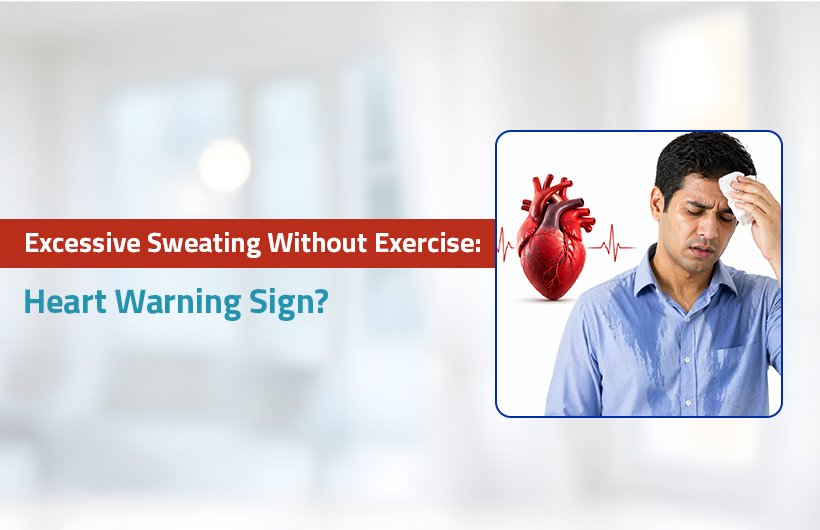
When the heart is under significant stress—such as during a heart attack or due to a blocked artery—the body’s “fight-or-flight” response kicks in. This activates the sympathetic nervous system, leading to sudden, unexplained perspiration.
How to Distinguish “Heart Sweating” from Normal Sweating
Unlike the sweat you experience during exercise, heart-related perspiration usually feels cold and clammy. It often appears alongside other red flags, including:
- Chest pain or pressure (a feeling of heaviness or squeezing)
- Pain radiating to the jaw, neck, back, or left arm
- Shortness of breath
- Nausea or lightheadedness
- A rapid or irregular heartbeat
Clinical Insight: When the heart muscle is deprived of oxygen (ischemia), the body reacts as if it is in a state of emergency. If you find yourself searching for a “heart doctor near me” because of sudden cold sweats, do not ignore the impulse.
Who Is at Higher Risk?
While anyone can experience heart issues, certain factors increase the likelihood that unexplained sweating is linked to your cardiovascular health:
- Age: Men over 45 and women over 55.
- Medical History: High blood pressure, high cholesterol, or diabetes.
- Lifestyle: Smoking, obesity, or a sedentary lifestyle.
- Genetics: A family history of heart disease.
When is Sweating a Symptom of a Heart Attack?
In many cases—particularly in women, the elderly, and those with diabetes—heart attack symptoms are subtle. They don’t always mirror the dramatic chest-clutching scenes depicted in movies.
Watch for these four patterns:
- Sudden Onset: Sweating starts abruptly while you are resting or sleeping (night sweats).
- Clamminess: The skin feels cold and moist rather than warm.
- Combination Symptoms: Sweating occurs simultaneously with indigestion, fatigue, or shoulder pain.
- Persistence: The episodes are recurrent or do not subside with rest.
Steps to Take if You Are Concerned
If you are experiencing heavy sweating without physical exertion, follow these steps:
1. Seek Emergency Care
If sweating is accompanied by chest pain, fainting, or severe difficulty breathing, call emergency services immediately. Time is muscle when it comes to the heart.
2. Schedule a Specialist Consultation
For recurring, unexplained sweating, visit a heart doctor near you. A specialist like Dr. Jignesh Patel can perform diagnostic tests to rule out or identify underlying issues, such as:
- ECG (Electrocardiogram): To check the heart’s electrical activity.
- Echocardiography: An ultrasound to view the heart’s structure.
- Stress Tests: To see how your heart handles exertion.
- Blood Tests: To look for specific cardiac markers/enzymes.
3. Prioritize Preventive Health
If a risk is identified, your cardiologist will help you implement lifestyle changes, including a heart-healthy diet, stress management, and medication to control blood pressure or cholesterol.
Final Thoughts
Excessive sweating without physical exertion may seem harmless, but it can sometimes signal an underlying issue that shouldn’t be ignored. Your body often gives subtle warnings when something isn’t quite right—and paying attention to them can make all the difference.
Timely diagnosis is key to preventing serious complications. If you’re searching for a trusted heart specialist in Ahmedabad and have noticed unusual sweating patterns, it’s wise to act early rather than wait for symptoms to worsen. Reach out to Dr Jignesh Patel for a thorough evaluation and take a proactive step toward maintaining your heart health.